















What Are AI Voice Cloning Tools?
AI voice cloning tools recreate a person’s voice using artificial intelligence. Instead of recording every line manually, you can generate new speech that matches the original voice’s tone, accent, pacing, and speaking style.
Depending on the platform, this may require just a few seconds of sample audio or a longer voice recording for greater accuracy. Not all voice cloning tools work the same way. Some are designed for content creators who need realistic voiceovers, while others focus on enterprise applications, multilingual localization, accessibility, or developer APIs. You’ll also find differences in voice quality, emotional expression, language support, real-time generation, and commercial licensing.
As more industries adopt AI voice cloning, choosing the right voice cloning AI platform comes down to how you plan to use it. Comparing capabilities, pricing, and usage rights will help you find a platform that fits your workflow instead of paying for features you may never need.
How Do AI Voice Cloning Tools Work?
AI voice cloning tools learn the characteristics of a person’s voice from a short audio sample. Once the voice model is created, you can type new text, and the AI generates speech that closely matches the original voice’s tone, pronunciation, rhythm, and speaking style.
The cloning process varies across platforms. Some tools can create a usable voice from just a few seconds of audio, while others require longer recordings to improve accuracy and natural expression.
Many platforms also include features like emotion control, multilingual speech generation, voice editing, dubbing, and API access for integrating AI voices into applications. The quality of the output depends on several factors, including the quality of the voice sample, language support, and the capabilities of the AI model behind voice cloning AI tools.
Benefits of AI Voice Cloning Tools
AI voice cloning tools make it easier to create high-quality voice content without recording every script from scratch. Here are some benefits:
Generate natural-sounding voiceovers from simple text
Reuse the same voice across videos, podcasts, and other content
Localize audio into multiple languages without hiring separate voice actors
Reduce recording time for updates, revisions, and recurring content
Create scalable voice experiences for applications, customer support, and training
Maintain consistent narration across projects and platforms using voice cloning technology.
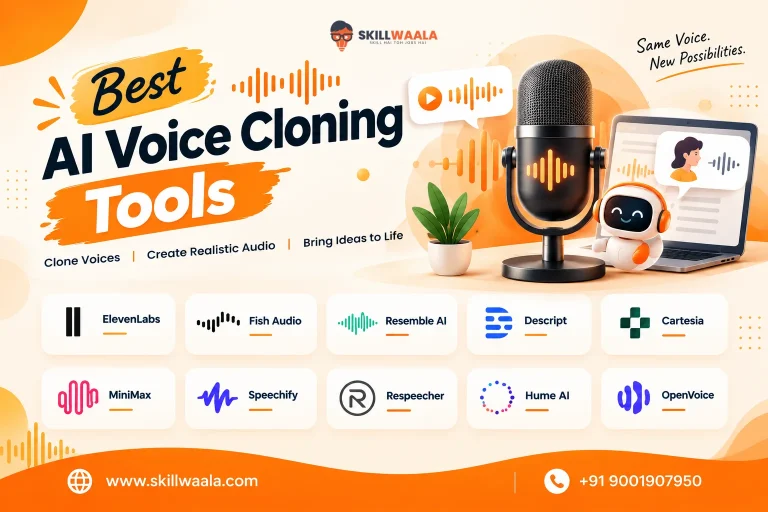
Best Free AI Voice Cloning Tools
Looking for a free AI voice cloning solution? These tools are a great place to start. Many also offer free voice cloning online with limited usage before upgrading to premium plans.
ElevenLabs
PlayHT
Descript
Murf.AI
Voice Engine by OpenAI
Best Paid AI Voice Cloning Tools
These platforms are among the best voice cloning AI solutions for creators who need higher usage limits, advanced voice customization, and commercial licensing.
Resemble AI
Speechify Studio
LOVO AI
WellSaid Labs
Respeecher
How to Choose the Right AI Voice Cloning Tool?
The best AI voice cloning tool depends on how you plan to use it. While some platforms prioritize realistic voice reproduction, others focus on multilingual dubbing, content creation, developer APIs, or enterprise-scale deployments. Before making a choice, compare the features that have the biggest impact on your workflow:
Voice Quality: Look for natural pronunciation, realistic pacing, and expressive speech rather than just accurate voice matching.
Language Support: Choose a platform that supports the languages and accents your audience speaks.
Voice Customization: Features like emotion control, pronunciation editing, and speaking style can significantly improve the final output.
Commercial Licensing: Review the platform’s licensing terms if you’re creating content for clients or business use.
Integration Options: APIs, plugins, and workflow integrations can save time if you use voice cloning regularly.
Pricing & Usage Limits: Compare cloning credits, character limits, export options, and subscription plans before committing.
Common Mistakes to Avoid When Choosing an AI Voice Cloning Tool
A realistic voice isn’t the only factor that matters. Before selecting an AI voice cloning tool, consider how you’ll use it and whether it offers the features you’ll need as your project grows.
Choosing a tool based only on how realistic the voice sounds
Ignoring consent requirements and commercial licensing terms
Overlooking language support and pronunciation accuracy
Paying for advanced features you’ll rarely use
Not testing voice quality with your own scripts before subscribing
Assuming every platform offers the same level of customization and editing control
Future of AI Voice Cloning
AI voice cloning is becoming more natural, expressive, and accessible with every new generation of models. Beyond simply replicating a voice, newer platforms are improving emotional expression, multilingual speech, pronunciation control, and real-time voice generation.
These advances are making AI-generated voices more suitable for professional content, customer interactions, and interactive applications.
As adoption grows, voice cloning tools are also placing greater emphasis on responsible use through consent verification, watermarking, and voice authentication.
Going forward, the biggest improvements are likely to come from better control, broader language support, and stronger safeguards that make voice cloning both more capable and more trustworthy.