








What Are AI Text-to-Speech Tools?
Text-to-speech AI tools convert written text into realistic, natural-sounding speech. Instead of recording voiceovers manually, you can generate audio from articles, scripts, emails, documents, or any other text within seconds. Modern AI text-to-speech platforms offer a wide range of voices, languages, and speaking styles, making them useful for both personal and professional outputs.
The quality of speech can vary significantly between platforms. Some focus on lifelike narration, while others prioritize multilingual support, accessibility, or developer integrations. Comparing text-to-speech AI tools helps you understand which platforms deliver the voice quality, customization, and features you need.
How Do AI Text-to-Speech Tools Work?
An AI text-to-speech tool starts with written text. Paste a script, article, email, or document, choose a voice, and the AI converts it into spoken audio using advanced speech synthesis models. The generated audio can then be downloaded or used directly in videos, presentations, podcasts, and applications.
Most text-to-speech tools let you customize pronunciation, speaking speed, pitch, pauses, and emotional tone to create more natural-sounding results. If you’re using a text-to-speech AI free plan or a free online text to speech generator, you’ll typically encounter limits on character count, voice selection, or audio downloads. Paid plans usually offer higher-quality voices, commercial licensing, and additional customization options.
Benefits of AI Text-to-Speech Tools
Recording voiceovers can be time-consuming, especially when scripts change frequently. AI text to speech tools simplify that process by converting written content into natural speech within minutes, making audio creation faster, more consistent, and easier to scale.
Convert text into realistic voiceovers without manual recording
Create audio for videos, podcasts, presentations, and e-learning content
Save time on revisions by updating text instead of re-recording audio
Support multiple languages and voices for a wider audience
Improve accessibility by turning written content into spoken audio
Produce consistent narration across projects and platforms
Best Free AI Text-to-Speech Tools
Looking for free AI text to speech? These tools let you generate spoken audio without paying upfront.
TTSMaker
TTSReader
Balabolka
Microsoft Edge Read Aloud
Google AI Studio
Best Paid AI Text-to-Speech Tools
Paid AI text to speech platforms deliver more natural voices, better pronunciation, higher usage limits, and commercial licensing.
ElevenLabs
Murf AI
PlayHT
WellSaid Labs
LOVO AI
How to Choose the Right AI Text-to-Speech Tool?
A realistic voice is only part of the equation. The best platform should also fit the way you create audio, whether it’s for videos, podcasts, audiobooks, customer support, or accessibility. Before making a decision, compare the features that matter beyond the demo voice.
Voice Quality: Listen for natural pronunciation, pacing, and emotional expression.
Language Support: Choose a platform that supports the languages and accents you need.
Customization: Look for controls like speed, pitch, pauses, pronunciation, and voice styles.
Commercial Rights: Review licensing if you plan to use generated audio for business or client work.
Export Options: Check available audio formats, quality settings, and download limits.
Pricing: Compare free usage, subscription plans, and character limits before subscribing.
Common Mistakes to Avoid When Choosing an AI Text-to-Speech Tool
A natural-sounding voice doesn’t always mean it’s the right tool for your project. Spend a few minutes testing different voices and features before committing to a subscription.
Choosing a platform based only on voice quality
Ignoring language support and pronunciation accuracy
Overlooking commercial licensing and usage rights
Paying for premium plans without testing the free version first
Using default voice settings without adjusting speed or pronunciation
Selecting a tool that doesn’t fit your long-term content workflow
Future of AI Text-to-Speech
The gap between AI-generated speech and human narration is shrinking quickly. Newer models are delivering better pronunciation, more natural pacing, and greater emotional expression, making AI voices suitable for everything from audiobooks to customer support.
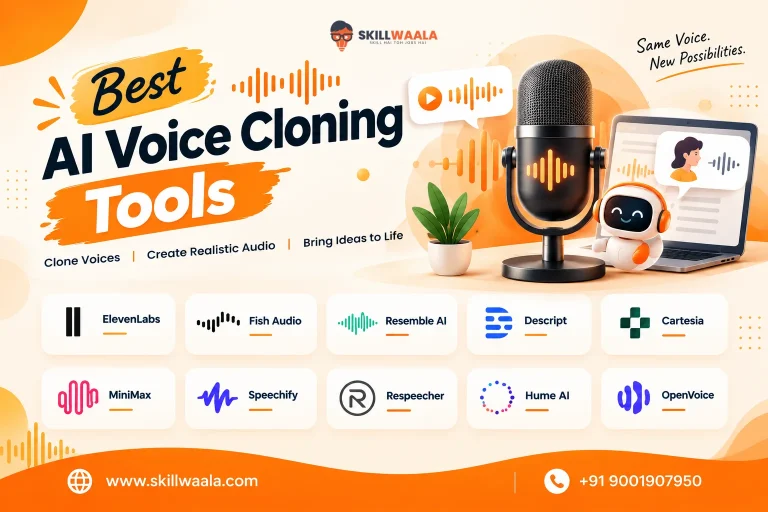
Another noticeable shift is personalization. Many text-to-speech AI platforms now offer voice cloning, multilingual narration, and fine-grained control over speaking style. As these capabilities improve, AI text-to-speech will become less about converting text into audio and more about creating voices that match a brand, character, or individual speaker.