


















AI Business Tools – Explore the Best Tools for Business Growth

Running a business involves much more than big decisions. There are reports to prepare, numbers to understand, customers to follow up with, documents to organize, and countless small tasks happening in the background. And AI business tools can help with some of that workload by turning repetitive processes into simpler workflows and making business information easier to work with. Whether you're running a small team or managing a growing organization, the right business tools can give you more time to focus on work that actually needs your attention.

  • Options Free & Premium
  • Verified Evaluated by Experts
  • 60 + AI Tools
AI Business Tools – Explore the Best Tools for Business Growth

Search Business

# Name Category Pricing Platforms Supported Rating Tool Tutorials
26 Business Not publicly disclosed Web
star star star star
27 Business Not publicly disclosed Web
star star star star
28 Business Free + Paid Web
star star star star
29 Business Free + Paid Web
star star star star
30 Business Free + Paid Web
star star star star
31 Business Not publicly disclosed Web
star star star star
32 Business Free + Paid Web
star star star star
33 Business Free + Paid Web
star star star star
34 Business Free + Paid Web
star star star star
35 Business Not publicly disclosed Web
star star star star
36 Business Free Web
star star star star
37 Business Web
star star star star
38 Business Free Web
star star star star
39 Business Freemium Web
star star star star
40 Business Free + Paid Web
star star star star
41 Business Enterprise pricing Web
star star star star
42 Business Freemium Web
star star star star
43 Business Not publicly disclosed Web
star star star star
44 Business Free Web
star star star star
45 Business Not publicly disclosed Web
star star star star
46 Business Not publicly disclosed Web
star star star star
47 Business Not publicly disclosed Web
star star star star
48 Business Not publicly disclosed Web
star star star star
49 Business Web
star star star star
50 Business Free Web
star star star star

Explore AI Business Prompts

Work smarter with prompts for business analysis, reporting, research, planning, productivity, customer operations, and everyday tasks.

Popular Use Cases of AI Business Tools

Data Analysis

Use AI to examine business information, spot patterns, summarize findings, and make large amounts of data easier to understand.

Reporting & Dashboards

Turn business data into reports and visual summaries that help teams keep track of performance and important metrics.

Workflow Automation

Automate repetitive activities such as documentation, scheduling, data handling, and routine administrative work.

Customer Operations

Organize customer information, summarize interactions, and support faster responses across sales and service workflows.

Business Planning

Use AI to research ideas, compare scenarios, organize information, and support strategic planning.

Team Productivity

Draft documents, summarize meetings, organize information, and assist employees with everyday tasks.

Who Should Use AI Business Tools?

Business Owners

Reduce routine workload, understand important numbers, and make day-to-day operations easier to manage.

Managers

Monitor team performance, organize workflows, and turn operational information into useful insights.

Startups

Handle research, planning, customer tasks, and internal operations without immediately expanding the size of the team.

Analysts

Work through large datasets, identify trends, and create clearer reports with less manual effort.

Sales & Marketing Teams

Organize customer information, research prospects, prepare content, and support sales and marketing workflows.

Enterprises

Connect AI with existing systems to improve efficiency across departments while maintaining appropriate human oversight.

What Are AI Business Tools? 

AI business tools are software applications that use artificial intelligence to help with different parts of running a business. Depending on the platform, they can support research, writing, customer management, automation, forecasting, analysis, reporting, and decision-making.

For example, business analysis tools can help teams examine information and understand what is happening inside an organization. Business intelligence tools, meanwhile, are generally focused on turning data into useful insights through dashboards, visualizations, reporting, and analysis.

But here, the goal isn't to hand every business decision over to AI. Instead, these tools can handle parts of the workload so people can spend more time interpreting information, solving problems, and making decisions.

How Do AI Business Tools Work? 

Although every platform works differently, the basic process is usually straightforward:

  1. Give the tool an input: This could be data, documents, instructions, or a specific business question.

  2. Let AI process it: The system analyzes the information and identifies relevant patterns or relationships.

  3. Review the output: Depending on the tool, you may receive a report, summary, recommendation, prediction, or completed task.

  4. Check the result: Review important information for accuracy before relying on it.

  5. Use the insight: Apply the result to a business workflow, decision, or process.

In fact, many platforms can also connect with other software, allowing teams to move information between systems with less manual work.

Benefits of AI Business Tools

If used properly, AI can make everyday business work less repetitive and easier to manage.

  • Reduce time spent on routine tasks.

  • Analyze information more efficiently.

  • Create reports and summaries faster.

  • Support data-driven decision-making.

  • Improve team productivity.

  • Organize large volumes of business information.

  • Identify useful patterns and trends.

  • Scale repetitive workflows as the business grows.

Best Free AI Business Tools

You don't necessarily need a large budget to start using AI. Free plans can be useful for testing a platform and understanding whether it actually fits your workflow. But when comparing free business intelligence tools, look beyond the free label. Check usage limits, integrations, reporting capabilities, customization, and how your data is handled.  You can explore options like 

  • ChatGPT

  • Claude

  • Copilot

  • Perplexity

  • Replit AI

Best Paid AI Business Tools

Paid platforms can become useful when AI is part of your regular business operations. Like for teams that rely heavily on data, business intelligence reporting tools can make it easier to create consistent dashboards and reports that different departments can access. So, in paid options, you can explore: 

  • ElevenLabs

  • Midjourney

  • Adobe Firefly

  • Runway

  • Gamma AI

How to Choose the Right AI Business Tool??

Instead of asking which tool is the most popular, start by asking what your business actually needs.

Define the Problem

Be clear about the task you want to improve. It could be reporting, analysis, customer support, automation, research, or productivity.

Understand Your Data

If the platform will handle customer, financial, or internal business information, check its data policies, security practices, and access controls.

Check Integrations

A tool becomes more useful when it works with the software your team already uses. Good integrations can prevent unnecessary copying and switching between platforms.

Test It With Real Work

If a free plan or trial is available, use it before committing. A practical test can reveal more than a long list of features.

Think Beyond Today

Choose a platform that can handle increasing data, users, or workflow requirements if your business grows.

Common Mistakes to Avoid When Choosing AI Business Tools

Even the best AI tools for business can become a poor investment when they're chosen without a clear purpose. Keep these mistakes in mind:

  • Choosing a platform only because it is popular.

  • Automating a process before understanding it properly.

  • Ignoring privacy and security requirements.

  • Forgetting to check integrations.

  • Assuming every AI-generated insight is accurate.

  • Paying for features your team doesn't actually need.

  • Overlooking employee training and adoption.

  • Comparing tools only by subscription price.

Future of AI Business Tools 

The future of business AI tools is moving toward smarter, connected workflows. Instead of handling one task at a time, AI may increasingly help businesses analyze information, prepare reports, automate routine work, and support decisions within the same workflow. As these AI business tools become easier to integrate with existing systems, businesses can spend less time managing repetitive processes and more time acting on useful insights.
Trending AI Blogs

Trending AI Blogs

AI Tools • 17 minutes read

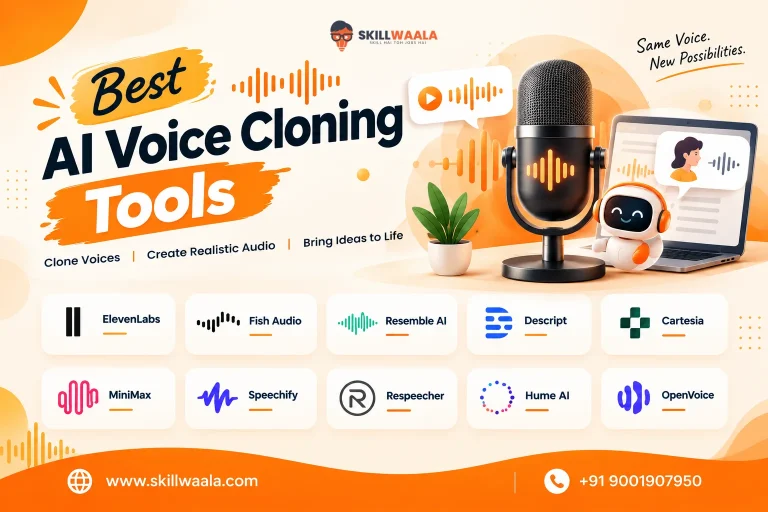
Best AI Voice Cloning Tools in 2026: 10 Tools Worth Trying

I’ve tested enough AI tools to know that a great demo doesn’t always translate into a great workflow. Voice cloning is a perfect example. Some AI voic...

AI Tools • 15 minutes read

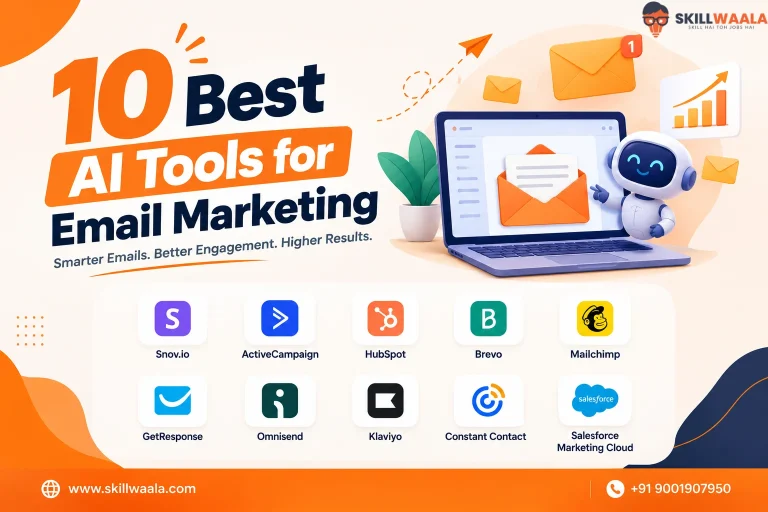
10 Best AI Tools for Email Marketing: Tested & Compared

I used to think email marketing was mostly about writing good emails. Then I actually started doing it regularly. The writing was rarely the part that...

AI Tools • 14 minutes read

How to Run ChatGPT Ads in 2026? A Practical Guide to OpenAI Advertising

Most people know ChatGPT as the place they go when they need an answer, an idea, or a quick explanation. However, many still don’t know that ChatGPT A...

AI Tools • 17 minutes read

Best AI Tools for Freelancers in 2026: 15 Tools I’d Actually Use

I’ve spent enough time freelancing to know that the actual client work is rarely the only thing that keeps you busy. Finding clients, writing proposal...

FAQ (Frequently Asked Questions)

Ans. AI business tools use artificial intelligence to support tasks such as analysis, automation, reporting, research, customer management, communication, and everyday business operations.

Ans. Business intelligence tools help organizations collect, analyze, visualize, and understand data so teams can monitor performance and make informed decisions.

Ans. Yes. Some platforms offer free plans, while open source business intelligence tools can provide greater flexibility for businesses that want more control over customization and deployment.

Ans. Business analysis tools help teams examine information, identify patterns, compare results, understand performance, and support business planning and decision-making.

Ans. Business intelligence reporting tools help convert business data into dashboards, reports, visualizations, and summaries that make important information easier to monitor.

Ans. The best AI tools for business depend on your goals, data, budget, integrations, and workflow. Compare tools based on the specific problems you need them to solve.

Ans. Yes. Small businesses can use AI for tasks such as research, reporting, customer management, content, automation, and productivity without necessarily needing complex enterprise systems.

Ans. Yes. Larger organizations can use business AI tools across departments, provided the platforms meet their requirements for security, integration, scalability, governance, and human oversight.